
Once in a Blue Moon
A little introduction to me and this substack.

I was born under a new blue moon. A blue moon refers to the second full moon in a given month; a new blue moon is the darkest phase leading up to that full moon. Blue moons are not as rare as the expression makes them sound: they occur every two to three years. There’s one tonight, in fact.
Astrology, if you’re into such things, says that being born under a new moon means you’re likely to be enthusiastic, motivated and creative; someone who thinks deeply and overflows with childlike wonder. But it also means you were born when the moon had the least energy. At her weakest due to the darkness into which she was born, the child of the new moon hides herself away in an attempt to recharge her energy and sometimes lacks the physical capacity to continue with all the things she wants to do.
I’m also a triple earth sign: Taurus sun, Taurus moon, Virgo rising. And in Chinese astrology, I’m a dragon.
Astrology is a contentious subject, I know, so I’ll leave you to decide whether you think any of that sounds like me.
My parents were punk rockers who both grew up in difficult circumstances. When they met, she was working as a pot-maker or kaldarar, the traditional work of the Romani vitsa we’re from; and in between jobs she’d be out on the Greenpeace boats engaged in direct action. He was in organised crime.
It was the perfect storm. Two vulnerable, angry young people completely unprepared for parenthood.
They lasted only a couple of years together before his violence got too much and she left, with me in tow. We were homeless for a while, bouncing between the streets and a tent we were given and hostels and temporary housing.
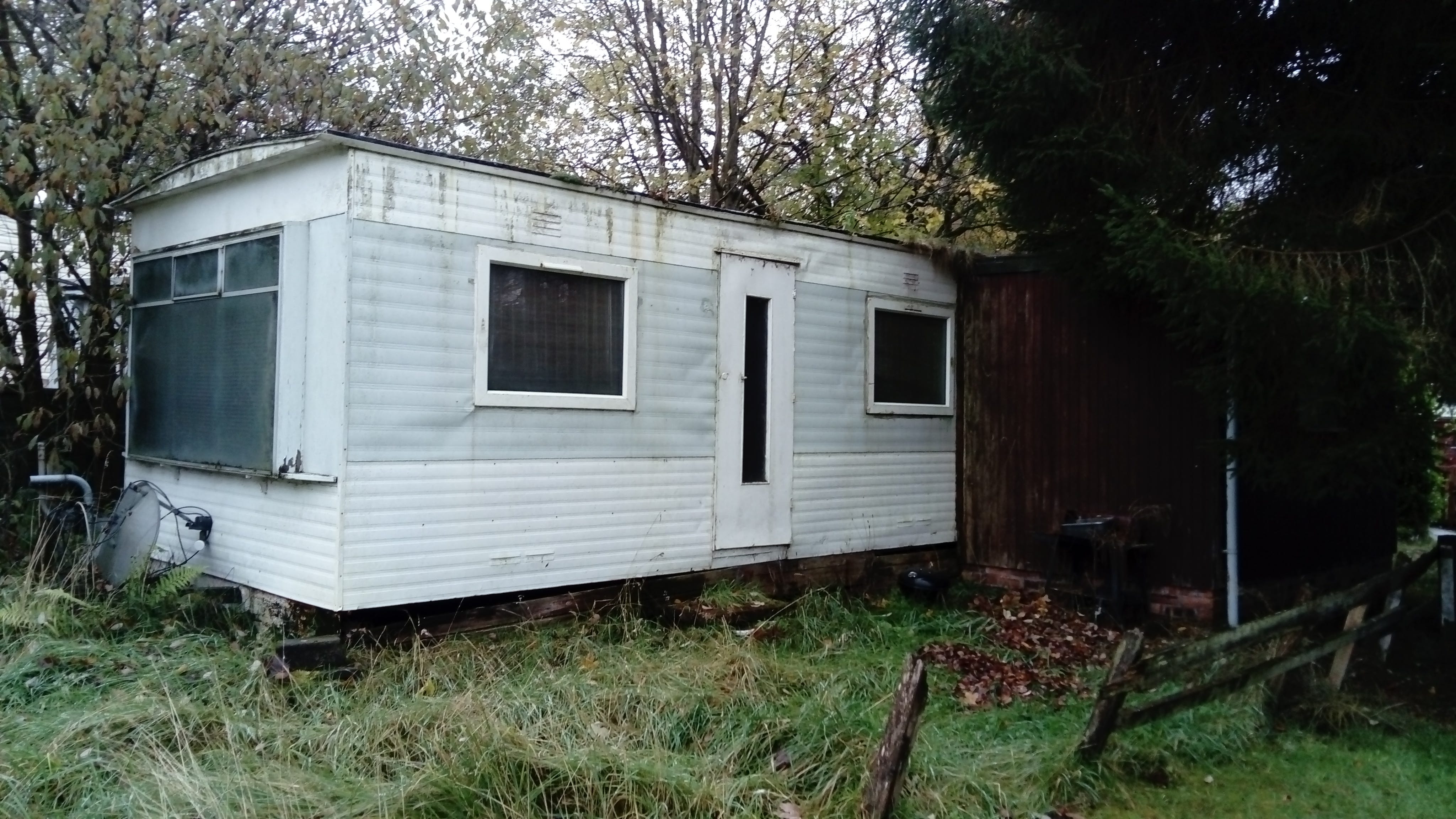
By the time I was four my mother hadn’t spoken to her own mother in more than a decade, but she was desperate enough to get back in touch. My grandmother still lived in a Romani vitsa, in a caravan park in rural Scotland, so off we went to live there with her.
The combination of poverty, vulnerability and entrenched multi-generational abuse meant I didn’t really have a chance at anything approaching a normal childhood.
So I spent most of my early life amongst drug traffickers courtesy of my father, living with a violently abusive mother and separated from my beloved Romani community when she joined a fundamentalist Christian cult and we moved to a deprived area of Glasgow.
Throughout my childhood I was abused by my father and his criminal gang. I was trafficked (internally, not internationally) and treated as produce. “Would you like a side of six-year-old with your brick of cocaine?” That kind of thing.
When my mother joined the cult, things got even crazier. The head of the congregation was running a child sex ring in which he forced his victims to participate in the creation of CSAM (child sexual abuse materials, in this case videos and images). Sometimes, when we needed food, my mother would tell me to “Go and see what Uncle A wants” and he would take me into the basement of the church, do whatever he wanted, and then take us to Somerfield and buy us a weekly shop.
Things got better when I was thirteen, after we’d moved to England and I’d happened to end up at an excellent state school purely because we lived within the catchment area and they had space. I credit the staff at that school with my survival. Although the worst of the abuse was over (the heads of both trafficking rings had gone to prison), I was still dealing with the aftereffects and I threw myself into academia as a defence against feeling anything raw. Between the ages of 13 and 18, I practically lived at school. It was in the countryside, and so were we for a while, in one of those fag-end council estates tucked behind a posh little high street out of sight.
And then, as soon as I legally could, I left the flat I’d lived in with my mother and moved to London on my own. Back to being a city girl once more.
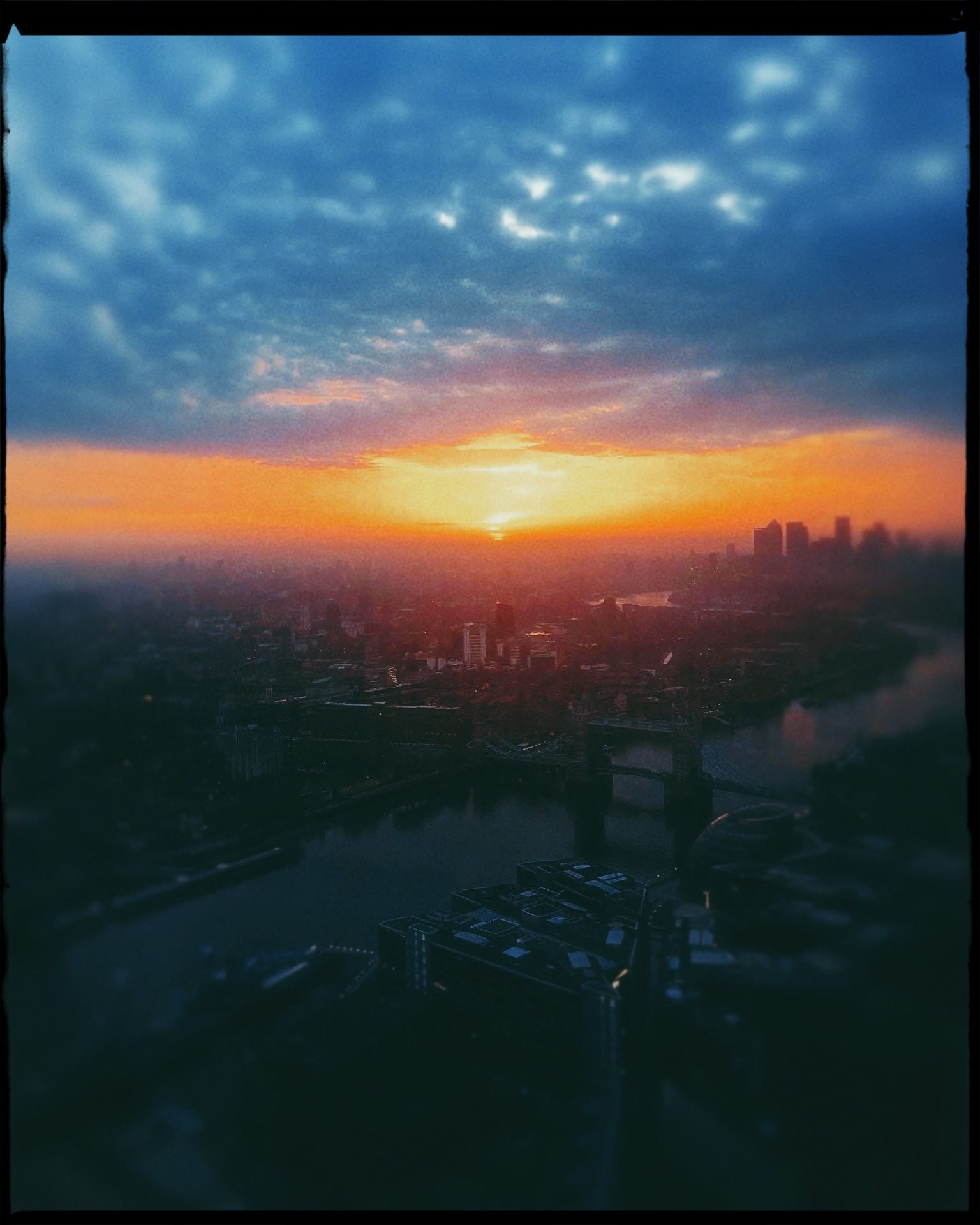
I maintain to this day a city/country divide in my soul. I live in the city, I love the city, but I yearn for the silence of rurality.
These days, though, the convenience of London life is not just a utility but a necessity.
Something a lot of people don’t know — something I myself didn’t know, in fact, until about four years ago — is that sometimes the body finds a way to work around an injury or issue, until it suddenly doesn’t. This means that full decades after they first happened, things can spring up and knock you out in ways you weren’t expecting.
Not just abuse-related events, either, although in my case that’s what I’m talking about. But I have friends who’ve had similar sudden-onset health problems ten or twenty years after a car crash, an incident at work, a horse-riding accident…
Bodies are fickle things. And currently we have no choice but to live inside them.
(What’s that, Chindi? A Cartesian body/mind divide?! Yeah. Bite me.)
Ever since I was a child, I was told I’d be in a wheelchair by the time I was 25. I lasted nine years longer than that, and so my transition to non-ambulatory wheelchairhood wasn’t exactly a surprise.
What was more of a surprise was the number of complex, overlapping medical issues that result from my history, even though several of them only started showing up years later. Navigating the healthcare system, as well as life in general, is extremely complicated as a result. Which is part of the reason I started this substack: I’m hoping it will show people what it’s like to be disabled and chronically ill, and especially what it’s like to be disabled and chronically ill as a result of trafficking. Because, as you might imagine, that adds extra layers of difficulty to everything.
In my ideal scenario, doctors would read this and think about their interactions with patients, particularly those who have histories of childhood trauma, and would learn to treat us like human beings. But I know that’s unlikely to happen, and I’ll mostly be writing to myself and a couple of likeminded substackers.
That’s OK, though. I kind of just want it to be out there. Because for so long I hid so much of it. I’ve always been relatively open about my parents having been awful, but when you’re brought up by abusers there is such a deeply embedded sense of shame. Working as a psychotherapist for a few years, I met other survivors with similar stories to mine who felt that same shame. And something in me shifted as a result, because I didn’t think they had any reason to be ashamed, and so eventually I realised that perhaps I didn’t either.
Wait a minute, I thought one day as I was closing the door after one such session, why am *I* ashamed?! *I’ve* never trafficked a child!
But it’s not only abusers who make us feel that way. The rest of society plays its part, too. And that’s something we can all work on together.
Which is why I’m here, writing this.
Don’t worry. I won’t exclusively be plumbing the depths of my childhood trauma. I’ll also be talking about horror movies (a particular love of mine); race, culture and ethnicity; the impacts of colonialism and capitalism on my life; and probably a bit about my PhD. I’m three years into a seven-year PhD in Philosophy, funded by the Arts & Humanities Research Council’s DTP programme.
What’s my thesis about? So glad you asked. Here’s a video.
I have a nice little life these days (yes, that is a deliberate reference), and I want to share those bits too. Because one of the most harmful things for everyone, I think, is how we tend to shove each other into boxes and then try to keep each other there.
So here I am climbing out of the box. Defining my own life. And inviting you to come along on the ride.
Interested?
(If you were subscribed to my previous substack, I have taken the liberty of adding you to this one now that I’ve moved over here. If you’d like to unsubscribe that is totally OK and you can do so via the link at the bottom of this email.)
Questions?
I want to make sure this substack is interesting for people other than me, so if you have any questions about anything I’ve mentioned here (or, I suppose, anything else), you can ask them anonymously here:
It’s completely anonymous and you don’t need to give any details to submit a question.
And now I’m off to do a blue moon ritual and get on with my day.
Latcho drom,
Chindi
Welcome!
You had me from the first lines about the blue moon.
Your writing is exquisite—honest, intelligent, and genuine. What stayed with me most wasn’t only what you’ve survived, but the way you’ve refused to wear those experiences as your identity.
“So here I am climbing out of the box. Defining my own life.” YES! I am grateful to witness your reclamation.
Thank you for sharing your story.